Analog clocks
The Analog clocks usually indicate time using angles. It serves as a scale of 12 hours which can also serve as a scale of 60 minutes and 60 seconds.
Over the years, people have desinged some kinds of analog clocks that include dials divided into 6, 8, 10, and 24 hours. Another analog clock is the 24 hour analog dial, because of the use of 24 hour time in military organizations and timetables.
Another type of analog clock is the sundial, which tracks the sun continuously, registering the time by the shadow position of its gnomon. Sundials use some or part of the 24 hour analog dial. There also exist clocks which use a digital display despite having an analog mechanism—these are commonly referred to as flip clocks.
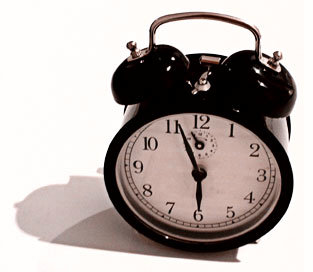
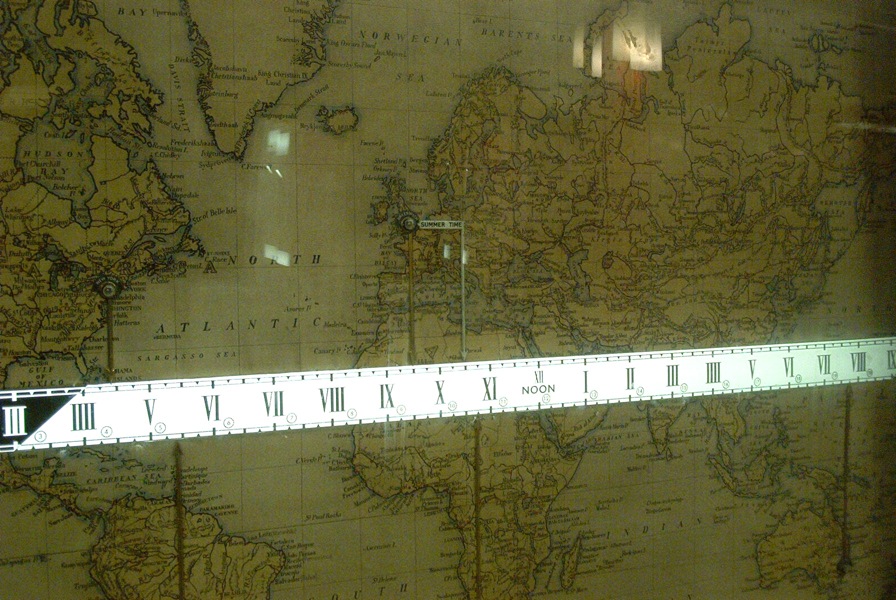
This photo is example of analog clocks.
Digital clocks
There are tew numeric digital clocks that show representation of time:
The 24-hour notation with hours ranging from 00-23 and the 12-hour notation with AM/PM indicator.
.
Most of the digital clocks are used an LCD, LED and VFD. After a reset, battery change or power failure, digital clocks without a backup battery or capacitor either start counting from 00:00, or stay at 00:00, often with blinking digits indicating that time needs to be set. Since the advertising of digital clocks in the mainstream, the use of analog clocks has dropped dramatically.

In the picture we can see digital clock outside Kanazaea station that shows the time.
To cunclude, it seems that digital clocks are more comfortable and thats why there are being used more than analog clocks.
The source I used in this assignment is: http://en.wikipedia.org/wiki/Clock.

No comments:
Post a Comment